With tender care, our Creator sows the precious seeds of His Word into the fertile soil of our existence, while the soft touch of the Spirit’s gentle rain nurtures and encourages their growth, promising a fruitful harvest that will bless others.
Yet, alas, our fields are not immune to contamination. Often, without our awareness, the enemy cunningly sows the seeds of sin, discord, and doubt, tainting the purity of our harvest. And amidst the golden wheat swaying gently in the breeze, subtle tares stealthily infiltrate and intertwine with the life-giving crops.
The intermingling of these contrasting crops may deceive onlookers, causing them to question the integrity of the seeds sown by the Word of our Master.
Navigating these unwanted tares in our crop demands delicate precision. To uproot them prematurely, before the time of harvest, risks harming the very wheat we desire to preserve.
When the golden wheat fields are bathed in the warm sunlight, the time for harvest has arrived.
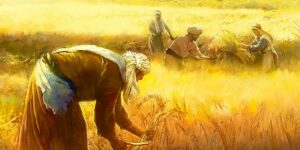 Using gentle hands, it is safe to extract the tall, proud stalks of wild wheat from amidst the sea of humble, good wheat.
A rhythmic rustling fills the air as the wind caresses the remaining good crops, whispering secrets of the bountiful harvest to come.
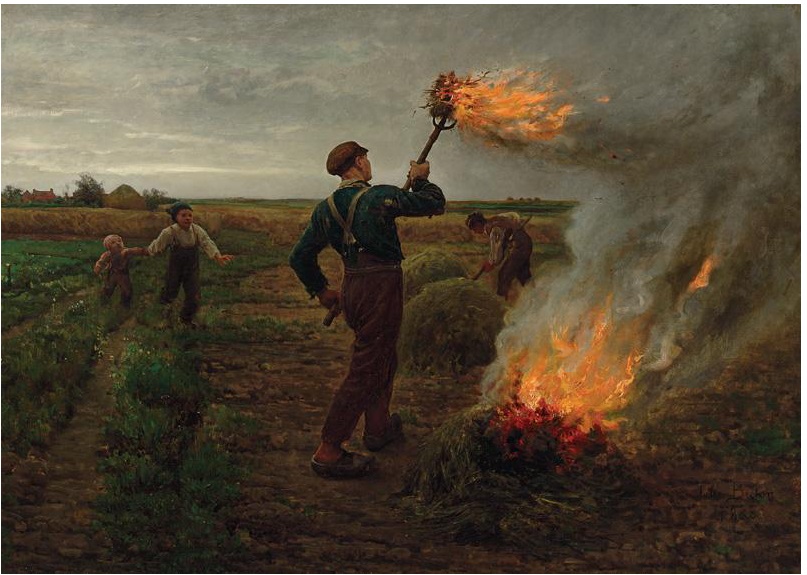
The tares, with their sharp edges and vibrant gold and green colours, are hurled into the crackling fire. With every dance and leap, the flames cast an orange glow, illuminating the surrounding fields. The crackling sound of burning weeds fills the air, mingling with the faint scent of smoke. As the tares succumb to the intense heat, their seeds are destroyed, ensuring that they do not spread and contaminate the neighbouring fields.
 The field is clean and ready for harvest, and the King can enter the field!
We all have issues to deal with in our lives. To help us grasp the current situation, our Master uses the parable of the wheat and the tares. Understanding the intertwining nature of good and evil is crucial. Evil often disguises itself as good rather than openly revealing its true nature. It’s not always possible to create a distance between the two, even if we may want to. We believe God will ultimately bring about perfect justice and distinguish between them.
When we are young in faith and seeds of His Word are still sprouting and growing, He encourages us to concentrate on growth instead of the tares. When the harvest matures, the false will be visible without having to search them out. Without spiritual maturity, dealing with tares in your life can cause a delay in growth and the development of spiritual fruits.
This is a constant maintenance process, for the enemy will always attempt to sew false seed when our guards are down. As His labourers, we should ask ourselves if we are ready for the harvest time?
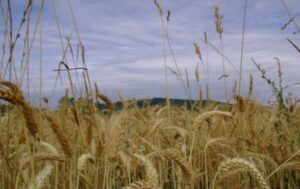 Sin is like tares and stands proud in our lives with their head high, while good works are humble with heads bowed.
Will our harvest be bountiful? Are we ready for Pesach or are there visible tares with proud heads in our fields that we must still deal with?
It is crucial to keep good deeds separate from worldly actions, for mixed crops reflect badly on the Sower and His Seeds.
Our harvest should be to glorify the King of the universe.

- B’reisheet: From Darkness to Eden October 5, 2026B’reisheet introduces the great storyline of Scripture: Elohim creates a good world, humanity is called to bear His image, sin brings exile and death, yet YHVH immediately begins revealing His plan of redemption and restoration through Yeshua. The Original Setting B’reisheet contains several foundational events: Elohim creates the heavens and the earth. Light […]
- The Oath That Made a People : Nitzavim September 17, 2026A commentary on Parashah Nitzavim (Deuteronomy 29:9–30:20) Scripture quotations are from the American Standard Version (1901). Verse numbers in Deuteronomy follow the Hebrew text; English Bibles run one verse higher in this section. 1. Standing in a covenant that was sworn before you were born Nitzavim opens with Israel standing — nitzavim — […]
- Ha’azinu: Luister na die Lied van die Rots September 17, 2026Die naam Ha’azinu beteken “Luister!” Hierdie Torahgedeelte, Deuteronomium 32, bevat die lied wat Moses kort voor sy dood aan Israel geleer het. Dit herinner die volk aan YHVH se trou, waarsku hulle teen geestelike afvalligheid en eindig met die hoop op herstel en versoening. Moses begin deur sy woorde met reën en dou […]
- STAAN, KIES EN WANDEL : NITZAVIM – VAYELECH August 29, 2026Nitzavim–Vayelech : Deuteronomium 29:10–31:30 Hierdie week lees ons ’n dubbele Torah-gedeelte, Nitzavim en Vayelech, en saam bring hierdie twee gedeeltes ons by een van die aangrypendste oomblikke in die Torah. In Nitzavim–Vayelech staan Israel op die vlaktes van Moab. Die woestynreis is amper verby. Die Beloofde Land lê voor hulle. Moses weet dat […]
- WANNEER JY INKOM – KI TAVO August 24, 2026DIE KERN BOODSKAPPE VAN KI TAVO: Onthou waaruit YHVH jou gebring het, wees dankbaar vir waar Hy jou gebring het, en wanneer jy Sy seën binnestap, moenie die Gewer vergeet nie. Ki Tavo (כִּי־תָבוֹא) beteken “Wanneer jy inkom.” Israel staan op die punt om die Beloofde Land binne te gaan. Ná jare in […]
- WANNEER GELOOF DEEL WORD VAN JOU ALLEDAAGSE LEWE – KI TETZE August 16, 2026Ki Tetze (כִּי־תֵצֵא) beteken “Wanneer jy uittrek” of “Wanneer jy uitgaan.” Hierdie Torah-gedeelte bevat meer gebooie as enige ander porsie en raak ’n verstommende verskeidenheid aspekte van die alledaagse lewe aan: gesinsverhoudings, die huwelik, werk, geregtigheid, die versorging van kwesbares, eerlikheid in besigheid, goedheid teenoor diere en selfs die terugbesorging van iets wat verlore […]
- SHOFTIM – WIE REGEER MY HART? August 11, 2026Die woorde waarmee hierdie gedeelte begin, bly deur die eeue heen weerklink: “Geregtigheid, geregtigheid moet jy najaag.” Deuteronomium 16:20 Shoftim (שֹׁפְטִים) beteken “regters”. Israel staan op die drumpel van die Beloofde Land, en YHVH leer hulle dat dit nie genoeg is om die land bloot in besit te neem nie. Hulle moet daarin […]
- Kies Lewe deur die Koning te Volg – Parasha Re’eh August 5, 2026"Kyk (Re'eh), Ek hou vandag voor julle die seën en die vloek." (Deut 11:26) Die eerste woord van hierdie week se Parasha is Re'eh, wat beteken "Kyk!" Dit is merkwaardig dat Moses die volk in die enkelvoud aanspreek. Al staan die hele volk voor hom, spreek hy elke persoon individueel aan. Elkeen moes […]
- Walking in the Footsteps of Covenant – Ekev July 27, 2026The Hebrew word Ekev (עקב) literally means heel or because. It carries the beautiful picture of following in someone's footsteps. Just as a heel leaves a footprint behind, Israel was called to walk in the footsteps of YHVH's covenant. The blessings described in this parashah were not random rewards, but the natural fruit of […]
- The Heart That Hears : Va’etchanan July 20, 2026The name Va'etchanan, meaning "I pleaded" or "I earnestly sought favor," reflects Moses' heartfelt plea to YHVH from the plains of Moab, begging to enter the Promised Land. Despite Elohim's loving refusal, Moses, rather than dwelling on his disappointment, dedicates his final days to preparing the Israelites for a future he will not witness. […]