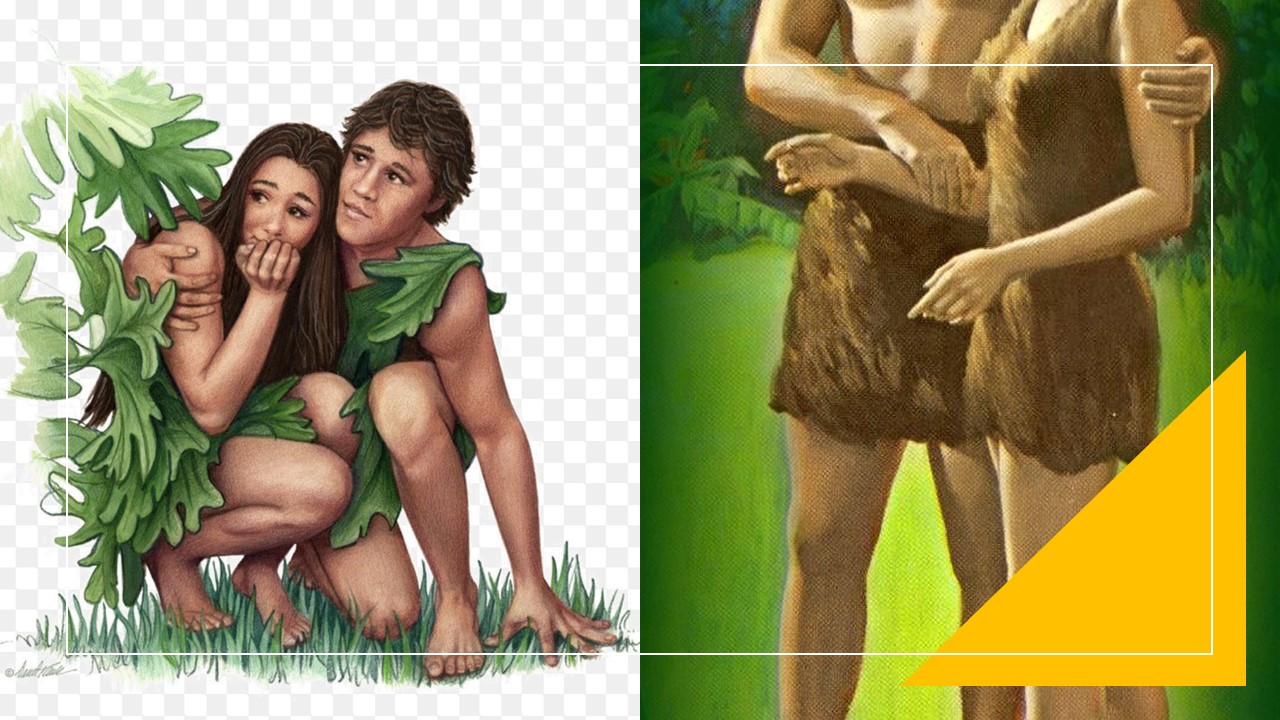
In this week’s Torah Portion, Breisheet, in Gen 3:7 & 21 we are introduced to the first garments in Scripture.
The Hebrew words for these two garments in Breisheet differ. The ones made of fig leaves are (H2290) chagor (חֲגֹר), translated as armour, a belt or apron. These are the garments Adam and Eve sewed with fig leaves after they sinned. Verse 21 mentions the coats of skin Elohim made for them.
My first question is why fig leaves? Secondly, why did the leaves need replacement?
In the Bible fig trees and grape vines, the two plants most mentioned by Yeshua in the Gospels, are symbols of joy and peace, times of safety and rejoicing within Israel (1 Kings 4:20,25). Under a fig tree a blessing from Elohim is found, associated with prayer and the studying of Scripture (John 1:48).
Adam and Eve felt exposed and distanced from Father. After their disobedience they longed for the peace they had lost. They longed for conversation (prayer) with Father without guilt. The fig tree symbolized a place of safety – the sense of safety which they lost when they realised that they had sinned. If you are disobedient to our Creator, you will not experience His peace. Under the banner of His loving, protective guidance, safety is found. However, instead of running to Father in repentance, instead of returning to the fig tree of peace and security, Adam and Eve armed themselves with manmade peace. They sewed together the leaves and hid from Him.
A prophetic picture of the manmade peace and security is found in 1 Thes 5:3. It tells of peace and security ripped from the living source and sewed together by man. False peace and security will be found when lawlessness will flourish.
The decision is ours. On His return, will Father find us under the fig tree, wrapped in His Word and in conversation with Him? Or will we be hiding ourselves from Him because we will realize that we are naked?
This recalls the verse in Prov 27:18 He who tends the fig tree eats its fruit; and he who guards his master is esteemed.
The garments Father gave Adam and Eve are (H3801) kethoneth (כְּתֹנֶת), a coat, shirt, garment, or robe. Why did they need to replace their loincloths with garments of skin? The text suggests that their effort was not sufficient to cover their nakedness.
The garments Father provided are the same Hebrew word we later find when we read about the coat of the beloved son Joseph and the garments of the High Priest, as well as the garment that Tamar tore and later so David’s garment. The garments Father provided were made of skin (H5783) ‘or (עוֹר).
The first word Father spoke into creation is His light (H216). In Hebrew it sounds the same as skin, ‘or (אוֹר). We need to be clothed with the light of Father’s presence, like Yeshua on the mountain of transfiguration, when He was found without sin.
Elohim comforted Adam and Eve with the promise of hope, filled with the wells of revelation.
What the first Adam lost, was restored in the second Adam

- Mattot : Faithful Words, Faithful Hearts July 7, 2026Parashat Mattot poses three timeless questions: Are our words trustworthy? Are we removing compromise from our lives? Are we committed to the wellbeing of Father’s people as much as our own family? The portion of Mattot begins with instructions about vows and oaths. In a world where words can be spoken lightly and […]
- Pinchas: Zeal that Brings Life June 28, 2026Parashat Pinchas opens in the wake of a somber chapter in Israel's history. The people had succumbed to idolatry and immorality at Baal Peor, inviting divine judgment upon the camp. Amidst this crisis, Pinchas demonstrated zealous devotion to the holiness of YHVH, and his actions averted Elohim's anger. Consequently, he was granted a "covenant […]
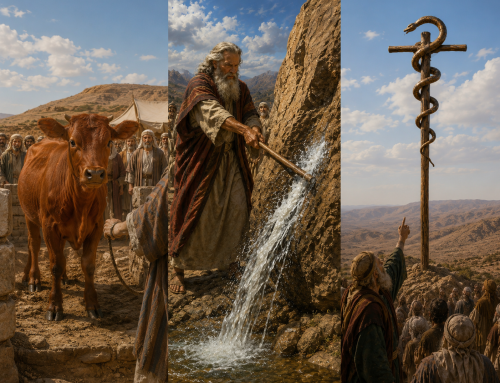
- Prophetic images of hope : Pictures of Messiah in Chukat June 23, 2026Parashat Chukat, Numbers 19:1-22:1, contains some of the most mysterious passages in the Torah : The accounts of the water from the Rock, the Red Heifer and the bronze Serpent beautifully bridge the Torah and the Good News, showing that even in the wilderness YHVH was already revealing His plan of redemption through Messiah […]
- Korach : The Subtle Seed of Rebellion June 14, 2026Parashat Korach (Numbers 16-18) is far more than the story of a man who challenged Moses. It is a warning about the subtle seed of rebellion that can grow in any heart. Korach was a Levite, chosen for a sacred calling, yet he became dissatisfied with the role YHVH had given him. Under […]
- From Fear to Faith: Learning from the Spies June 9, 2026Parashat Sh’lach (Numbers 13–15) tells the dramatic story of the twelve spies sent to explore the Promised Land. All twelve saw the same land flowing with milk and honey. All twelve carried the same giant cluster of grapes back to Israel. Yet only two, Joshua and Caleb, returned with faith. The other ten […]
- The Tongue: From Fire to Restoration May 31, 2026Last week, in Nosa (Numbers 4:21-7:89), we discussed the priestly blessing as a model of restoration, where people are lifted up and blessed. This week, in Beha'alotcha (Numbers 8:1-12:16), we see a practical illustration of this in the lives of Moses and Miriam. James 3:5-10 paints a vivid and unsettling picture of the […]
- Heaven’s Voice, Echoed on Earth May 26, 2026Comparing the Priestly blessing in Numbers 6:24-26 with the Lord’s prayer in Matthew 6:9-13, we find a beautiful symmetry in Scripture, like and echo reflecting back. One is spoken over the people, the other through the people, yet both flow from the same divine heart. The Priestly Blessing begins, “יהוה bless you and […]
- Ruth 4: The Redeemer at the Gate — A Messianic Reflection May 19, 2026Ruth 4 brings the story to the city gate—the place of decision, witness, and redemption. What has been unfolding in quiet fields now steps into the light. Boaz meets the nearer kinsman-redeemer before the elders. The right to redeem Naomi’s land is offered, but when the cost becomes clear—marrying Ruth and raising up […]
- Ruth 3: At the Threshing Floor May 19, 2026The chapter unfolds in the stillness of night, on a threshing floor where grain is separated and hearts are laid bare. What began in famine is now progressing toward redemption—but not without intention, courage, and trust. Naomi tells Ruth to approach Boaz, the kinsman-redeemer, and make a bold request. Ruth humbly goes to […]
- Ruth 2 : Grace in the field May 19, 2026Like seeds hidden beneath the earth, the chapter artfully shifts the story from a feeling of emptiness to one of provision, a change that occurs with remarkable quietness. Ruth goes to the fields to collect what's left, fulfilling the role of the poor and the foreigner. It appears to be a fortunate coincidence […]